
Can You Have Skin Boosters in Summer? Sunekos, Sun Exposure & What to Know Before Your Holiday

Sutha Aesthetics • 10 June 2026

Summer is often when we want our skin to look its freshest. Holidays, weddings, garden parties and more time outdoors can all make us think a little more about hydration, radiance and skin quality.

It is also the time of year when many patients ask whether aesthetic treatments are still suitable. If you are considering injectable skin boosters, especially Sunekos before a holiday, you may be wondering whether sunshine, heat or travel plans could affect your results.

The reassuring answer is that skin boosters can generally be performed throughout the year, including summer. The key is timing your appointment sensibly, protecting your skin from excessive UV exposure, and following the aftercare advice given by your practitioner.

At Sutha Aesthetics, skin booster treatments in Hitchin and Kings Lynn are planned around your skin, your lifestyle and your upcoming commitments, so your treatment feels considered rather than rushed.


Can You Have Skin Boosters in Summer? Sunekos, Sun Exposure & What to Know Before Your Holiday

A Quick Note on Skin Boosters and Sunekos

Skin boosters are injectable treatments designed to improve skin hydration, elasticity and overall skin quality, rather than add volume like dermal fillers.

Sunekos is a type of skin booster that combines hyaluronic acid with amino acids to support hydration, collagen and elastin production. Because results develop gradually, timing matters if you are planning treatment before a holiday.

For more information, visit the
Skin Boosters treatment page.

Can You Have Skin Boosters in Summer?

Yes. Most skin boosters, including Sunekos, can be safely performed during summer provided you follow aftercare instructions and protect your skin from excessive sun exposure.

Warm weather itself does not stop skin boosters from working. The treatment is not limited to autumn or winter, and many patients choose summer skin booster treatments because they want their skin to look fresher, smoother and more hydrated before holidays or any events.

What matters most is what happens after treatment. Skin boosters involve small injections, which means you may experience temporary swelling, redness, tenderness, bruising or small injection marks. These effects are usually mild and settle within a few days, but newly treated skin should be treated with care.

In summer, that means being more mindful of direct sun exposure, heat, sweating and activities such as swimming, saunas or intense exercise soon after your appointment.

Does Sun Exposure Affect Skin Booster Results?

Sun exposure does not directly “cancel out” skin booster results, but excessive UV exposure immediately after treatment is not ideal.

After injectable skin boosters, the skin may be more sensitive while it settles. Too much sun too soon can increase inflammation, prolong redness or irritation, and make bruising more noticeable.

UV exposure can also contribute to dehydration and premature skin ageing, which works against the healthier-looking skin you are trying to support. This is why sun protection is an important part of skin booster aftercare, especially in warmer months.

After Sunekos or similar injectable skin boosters, patients should usually:

  • Wear broad-spectrum SPF every day
  • Avoid prolonged direct sun exposure immediately after treatment
  • Use a wide-brimmed hat or protective clothing where possible
  • Avoid sunbeds entirely
  • Keep the skin cool and comfortable while it recovers
  • Follow any personalised aftercare given during the appointment

If you are travelling somewhere hot, sunny or humid, planning ahead gives your skin time to settle before you are spending long days outdoors.

How Long Before a Holiday Should You Get Sunekos?

If you are thinking about Sunekos before a holiday, timing is important. While skin booster recovery time is usually minimal, it is still sensible to allow a buffer before travel.

1-2 Weeks Before Travel

Booking your treatment at least one to two weeks before travelling allows time for mild swelling, redness, bruising or injection marks to settle.

This can be enough for many patients, particularly if they have had skin boosters before and know how their skin usually responds.

This timing may suit you if your main priority is allowing the skin to recover comfortably before your trip.

2-4 Weeks Before Travel

For many patients, two to four weeks before a holiday is ideal. This gives the skin more time to recover and allows early improvements in hydration and texture to begin developing.

Sunekos results are not instant. Many patients notice improved hydration within the first couple of weeks, with changes in texture, elasticity and overall skin quality developing more gradually.

If you want your skin to look its best for a holiday, wedding or important event, it is better to plan ahead rather than book at the last minute.

If You Are Having a Course of Treatment

Sunekos is often recommended as a course rather than a single session, depending on your skin and goals.

At Sutha Aesthetics, many patients benefit from a course of treatments spaced around one to two weeks apart, with a tailored plan discussed during consultation.

If you are preparing for a major trip or event, it is worth starting the conversation early. This allows your practitioner to recommend a realistic schedule and avoid squeezing treatments too close to your departure date.

Summer Skin Booster Aftercare Tips

  1. Protect Your Skin From UV Exposure

Daily SPF is essential after skin boosters in summer. Choose a broad-spectrum SPF 30-50+ and apply it generously each morning. If you are outdoors, sweating or swimming, reapply regularly throughout the day.

Skin boosters can improve hydration and skin quality, but UV damage remains one of the biggest contributors to premature ageing, pigmentation and loss of elasticity.

  1. Avoid Excessive Heat for 24-48 Hours

For the first 24-48 hours after treatment, avoid activities that create excessive heat or sweating. This may include:

  • Saunas
  • Steam rooms
  • Hot yoga
  • Sunbeds
  • Very hot baths
  • Intense exercise
  • Prolonged direct sun exposure

These activities can increase redness, swelling or irritation while the skin is settling.

Stay Hydrated

In summer, dehydration can happen more easily due to heat, travel, alcohol, air conditioning and long flights.

Drink plenty of water before and after your appointment, especially if you are heading away on holiday. This will not replace treatment, but it can help your skin feel more comfortable and supported.

Avoid Touching or Rubbing the Treated Area

Try not to rub, massage or pick at the treated area unless your practitioner specifically tells you to. Small injection marks usually settle naturally, and keeping the area clean reduces the risk of irritation.

Follow Your Practitioner’s Advice

Aftercare can vary depending on the area treated, your skin sensitivity, your medical history and your travel plans. Always follow the guidance given by your practitioner, especially if you are combining skin boosters with other treatments.

Who Should Delay Treatment Before a Holiday?

Skin boosters are a low-downtime option for many patients, but there are situations where delaying treatment may be more sensible.

You may wish to postpone or reschedule if:

  • You are travelling within the next few days
  • You have an important event immediately after treatment
  • You have active sunburn
  • Your skin is irritated, inflamed or broken
  • You have a history of significant bruising after injectable treatments
  • You are unwell or have an active skin infection
  • You are pregnant or breastfeeding

Are Skin Boosters a Good Pre-Holiday Treatment?

Skin boosters can be a good pre-holiday treatment if your goal is fresher, more hydrated and healthier-looking skin with minimal downtime. Sunekos is especially suited to patients who want subtle skin-quality improvements rather than added volume.

That said, results develop gradually, so it is best to plan treatment in advance rather than booking just a few days before travel. Depending on your skin goals and holiday timeline, your practitioner may also discuss complementary treatments such as
Hydrafacial, Dermalux LED Light Therapy, or Microneedling with Exosomes.

Frequently Asked Questions

Can I sunbathe after Sunekos?

You should avoid excessive sun exposure immediately after Sunekos. Newly treated skin may be more sensitive, and too much UV exposure can increase redness, irritation or inflammation. Use broad-spectrum SPF, wear protective clothing and avoid sunbeds.

Can I fly after skin boosters?

In many cases, yes. Flying after skin boosters is generally possible, but it is best to ask your practitioner for personalised advice. If you can, allow a few days before flying so any swelling, bruising or injection marks can begin to settle.

Will summer heat affect my results?

Summer heat does not directly affect your skin booster results. However, excessive heat soon after treatment can make swelling, redness or irritation worse. Avoid saunas, steam rooms, hot yoga and prolonged sun exposure for the first 24-48 hours.

How soon before a wedding or holiday should I book treatment?

For most patients, booking Sunekos or other skin boosters two to four weeks before a wedding or holiday is ideal. This allows time for recovery and for early improvements in skin hydration and quality to develop. If you are having a course of treatments, plan further ahead.

Final Thoughts

Skin boosters can be performed throughout the year, including summer, as long as treatment is timed carefully and aftercare is followed. Sunekos can be a good option before a holiday if you want subtle improvements in hydration, elasticity and overall skin quality.

For the best experience, avoid booking too close to travel, protect your skin from UV exposure, and follow your practitioner’s advice.

Considering skin boosters before a holiday?
Contact us at Sutha Aesthetics for personalised advice. At Sutha Aesthetics, every treatment plan begins with understanding your skin, your goals and your lifestyle.
by Sutha Aesthetics 6 May 2026
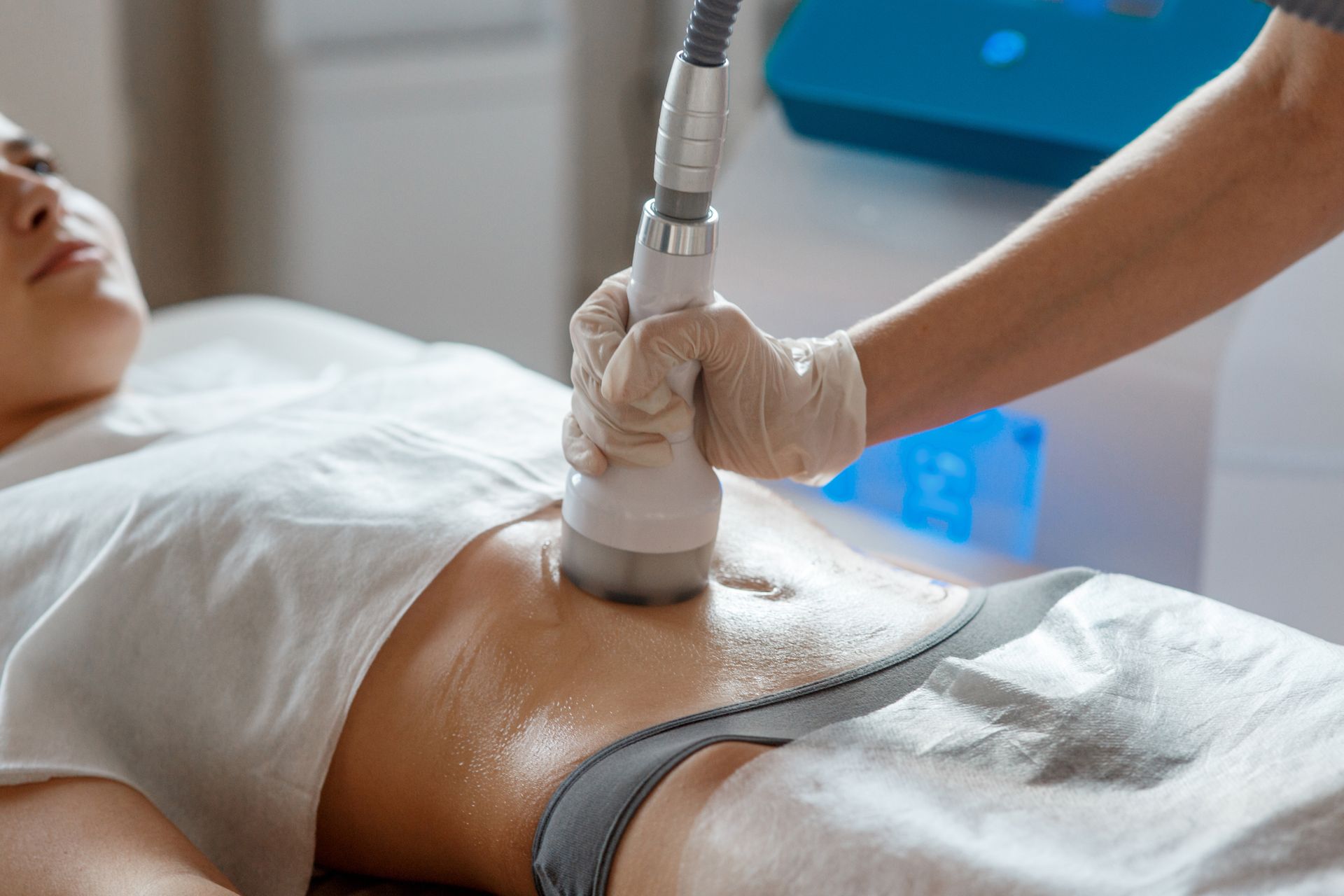
You've done the hard part, losing the weight. Now you're standing in front of the mirror, proud of how far you've come, and yet something feels off. The skin just hasn't caught up. Loose skin after weight loss is one of the most common and least talked-about challenges people face, especially for those who’ve lost weight in their 40s and beyond or who’ve used weight-loss medications like Mounjaro, Ozempic, or Wegovy. These GLP-1 medications are genuinely life-changing for many people, but because they can produce rapid weight loss, they also increase the likelihood of skin laxity that the body hasn’t had time to adapt to. In this guide, we’ll walk you through exactly why loose skin happens, what you can realistically do about it, and which treatment options, from gentle lifestyle changes to advanced non-surgical therapies, might be right for you. Our aim isn’t to oversell a quick fix. It’s to give you honest information so you can make the best decision for your body. What Causes Loose Skin After Weight Loss? These factors explain why loose skin after weight loss varies from person to person and why treatment approaches often need to be tailored. If you’re considering aesthetic treatments Hitchin & Kings Lynn , having this understanding can help guide more informed decisions. Loss of Collagen and Elastin Your skin's firmness relies on two proteins: collagen (which provides structure) and elastin (which allows skin to spring back into shape). When you carry extra weight for an extended period, the skin stretches to accommodate. Over time, these fibres weaken, and the skin loses some of its ability to retract, much like an elastic band that's been stretched too far for too long. Age-Related Collagen Loss From mid-30s onwards, collagen production naturally declines, and by the 40s and 50s, that decline becomes significant. This is why skin elasticity after weight loss is noticeably harder to regain as we age. Hormonal changes, particularly around menopause and perimenopause, also affect skin density and hydration, compounding the issue. How Quickly You Lost the Weight Rapid weight loss, whether through crash dieting, bariatric surgery, or GLP-1 medications such as Mounjaro or Ozempic, gives the skin very little time to adapt. Gradual weight loss of 0.5 to 1kg per week tends to result in less laxity, though this isn’t always possible or practical, especially when medication-assisted weight loss is involved. How Long the Skin Was Stretched The longer your skin has been stretched, whether for months or years, the more the underlying supportive structure may have been affected. This is not your fault; it's simply physics. Genetics and Sun Damage Some people are genetically predisposed to more resilient skin, while others aren't. Years of sun exposure also break down collagen over time, making it harder for skin to recover. Again, none of this is within your control. How to Avoid Loose Skin After Weight Loss Strength-train regularly: Building muscle beneath the skin helps fill it out and improve overall tone. Prioritise protein: Adequate protein intake (ideally 1.2–1.6g per kg of body weight) supports collagen synthesis and skin repair. Stay well hydrated: Hydrated skin is more elastic and resilient. Aim for 6 to8 glasses of water daily. Support collagen with nutrition: Vitamin C, zinc, and antioxidant-rich foods all help support skin structure. Some people also benefit from collagen supplements, though evidence is still emerging. Protect from sun damage: Daily SPF use slows the breakdown of collagen and elastin. Professional Treatment Options for Loose Skin After Weight Loss When natural methods aren't enough or when you want to accelerate results, professional treatments can make a significant difference. Here's an overview of the options: Exilis Ultra 360 Skin Tightening How it works: Exilis Ultra 360 simultaneously combines radiofrequency (RF) and ultrasound energy to tighten skin and address body concerns, making it one of the most versatile non-surgical skin-tightening options available for loose skin after weight loss. The treatment works by delivering controlled heat deep into the skin’s lower layers, stimulating the production of new collagen and elastin, while an integrated cooling system protects the surface and ensures comfort throughout. The sensation is often compared to a warm hot stone massage. Unlike treatments that target only the face, Exilis Ultra 360 can be used from head to toe, making it particularly valuable for patients with skin laxity across multiple areas following significant weight loss. Best for: Mild to moderate skin laxity across face, neck, arms, abdomen and thighs; also aids fat reduction and body contouring Downtime: None; mild redness may appear for a few hours post-treatment Results: Progressive over several weeks; a course of sessions is typically recommended for optimal outcome EMFACE Non-Surgical Skin Lifting How it works: EMFACE is a needle-free, non-invasive treatment that simultaneously targets the skin and underlying facial muscles, making it one of the most comprehensive non-surgical options for facial laxity after weight loss. It combines radiofrequency (RF) energy with HIFES™ (High-Intensity Facial Electromagnetic Stimulation) to lift, tone, and tighten the face naturally without injections or downtime. For patients who have experienced facial volume loss or jowl laxity following weight loss or GLP-1 medication use, EMFACE skin tightening offers a highly effective, comfortable option. Best for: Facial laxity, jowls, jawline definition, brow lifting, overall facial firmness Downtime: None Results: Progressive improvement over 6-12 weeks; typically 4 sessions recommended 
by Sutha Aesthetics 2 April 2026
Weight-loss injections like semaglutide, tirzepatide, Mounjaro, and the growing family of GLP-1 medications have genuinely changed lives. If you're on one, the results are likely speaking for themselves: your clothes fit differently, your energy has shifted, and you feel more like yourself again. But here's something that doesn't get talked about nearly enough: what these weight loss injections facial ageing are doing to your face at the same time. This isn't a scare story. It's information you deserve to have because once you understand what's happening beneath the skin, the solution becomes obvious. And the good news is that it's entirely fixable. What Your Weight Loss Injections Are Actually Doing to Your Face GLP-1 medications work by significantly reducing appetite and accelerating fat loss across the whole body. Clinical trials show average weight reductions of 15–17%, which is substantial, and your face feels every percentage point of it. Your face is held in shape by a network of fat compartments: small, distinct pockets of fat sitting in your cheeks, temples, under your eyes, and along your jawline. These fat pads are what give your face its three-dimensional structure, its softness, and the youthful fullness that most of us take for granted until it's gone. When you lose weight rapidly, as most people do on GLP-1 medications, these facial fat compartments deflate. All of them, often at once. This is where facial volume loss after weight loss becomes most visible. The result is a face that can look hollowed, gaunt, or significantly older than it did before the weight loss began, commonly referred to as the Ozempic face. The result is a face that can look hollowed, gaunt, or significantly older than it did before the weight loss began. The cheeks sink. The temples hollow. Shadows appear under the eyes. The jawline loses its definition. And it is far more common than the clinics that prescribe these medications tend to warn patients about up front. What GLP-1 Medications Really Do to Your Skin, Muscles and Collagen The conversation around GLP-1 facial ageing goes far beyond simple fat loss. Research shows that between 20% and 40% of the weight lost with GLP-1 medications can come from lean muscle mass rather than fat. The muscle provides the underlying structural scaffolding that keeps skin lifted and contours defined in the face. Lose that scaffolding, and the skin has nothing to hold it up. There's also a nutritional element. These medications work by suppressing appetite, which means many are eating significantly less overall, and not always getting adequate levels of protein, vitamin C, and zinc. These are the exact nutrients your skin needs to produce collagen and elastin. Without them, skin quality declines faster than it otherwise would, compounding the visual effects of volume loss. The result, for many GLP-1 patients, is a face that has aged noticeably, not because of anything they've done wrong, but as a direct and predictable consequence of how these medications work. Who Is Most at Risk of Facial Volume Loss on Weight Loss Injections Not everyone experiences GLP-1 facial changes to the same degree. A few factors make a meaningful difference. Age plays the biggest role. If you're 40 or above, your skin already has less collagen and less elasticity than it did a decade ago. Rapid volume loss on top of that existing baseline is felt much more acutely; the skin simply doesn't have the resilience to adapt and redrape the way younger skin can. The amount and speed of your weight loss matters too. The more you lose, and the faster you lose it, the more pronounced the facial impact tends to be. Patients who lose more than 15% of their body weight are at the highest risk for visible facial hollowing. Lifestyle factors add up. Years of sun exposure reduce skin elasticity. Smoking accelerates collagen breakdown. If either of those applies, the effects of GLP-1 facial ageing can be more pronounced and more visible.
by Sutha Aesthetics 27 February 2026
Vaginal rejuvenation is designed to improve tone, restore comfort, and enhance confidence without surgery. For many women, the main benefit isn’t cosmetic at all. It’s about feeling more in control of their body again. Changes in vaginal laxity can happen after childbirth, during menopause, or simply with age. You might notice reduced sensation, mild bladder leaks, or a general feeling that things don’t feel quite the same. Non-surgical vaginal rejuvenation treatments aim to support collagen production and strengthen internal tissue, which may help restore firmness and function over time. It’s a medical treatment rooted in regenerative science, not a trend. And when performed in a clinical setting, it can offer meaningful improvements without the downtime of surgery. It’s not always easy to talk about intimate health. Even in 2026, it can still feel awkward. But women are asking informed questions. They want to know what’s safe, what actually works, and what isn’t just marketing. So let’s break it down properly.