Loose Skin After Weight Loss: Causes, Prevention & Treatment Options
You've done the hard part, losing the weight. Now you're standing in front of the mirror, proud of how far you've come, and yet something feels off. The skin just hasn't caught up.
Loose skin after weight loss
is one of the most common and least talked-about challenges people face, especially for those who’ve lost weight in their 40s and beyond or who’ve used weight-loss medications like Mounjaro, Ozempic, or Wegovy.
These GLP-1 medications are genuinely life-changing for many people, but because they can produce rapid weight loss, they also increase the likelihood of skin laxity that the body hasn’t had time to adapt to.
In this guide, we’ll walk you through exactly why loose skin happens, what you can realistically do about it, and which treatment options, from gentle lifestyle changes to advanced non-surgical therapies, might be right for you.
Our aim isn’t to oversell a quick fix. It’s to give you honest information so you can make the best decision for your body.
What Causes Loose Skin After Weight Loss?
These factors explain why loose skin after weight loss varies from person to person and why treatment approaches often need to be tailored. If you’re considering aesthetic treatments Hitchin & Kings Lynn, having this understanding can help guide more informed decisions.
- Loss of Collagen and Elastin
Your skin's firmness relies on two proteins: collagen (which provides structure) and elastin (which allows skin to spring back into shape). When you carry extra weight for an extended period, the skin stretches to accommodate.
Over time, these fibres weaken, and the skin loses some of its ability to retract, much like an elastic band that's been stretched too far for too long.
- Age-Related Collagen Loss
From mid-30s onwards, collagen production naturally declines, and by the 40s and 50s, that decline becomes significant. This is why skin elasticity after weight loss is noticeably harder to regain as we age.
Hormonal changes, particularly around menopause and perimenopause, also affect skin density and hydration, compounding the issue.
- How Quickly You Lost the Weight
Rapid weight loss, whether through crash dieting, bariatric surgery, or GLP-1 medications such as Mounjaro or Ozempic, gives the skin very little time to adapt.
Gradual weight loss of 0.5 to 1kg per week tends to result in less laxity, though this isn’t always possible or practical, especially when medication-assisted weight loss is involved.
- How Long the Skin Was Stretched
The longer your skin has been stretched, whether for months or years, the more the underlying supportive structure may have been affected.
This is not your fault; it's simply physics.
- Genetics and Sun Damage
Some people are genetically predisposed to more resilient skin, while others aren't. Years of sun exposure also break down collagen over time, making it harder for skin to recover.
Again, none of this is within your control.
How to Avoid Loose Skin After Weight Loss
- Strength-train regularly:
Building muscle beneath the skin helps fill it out and improve overall tone.
- Prioritise protein:
Adequate protein intake (ideally 1.2–1.6g per kg of body weight) supports collagen synthesis and skin repair.
- Stay well hydrated:
Hydrated skin is more elastic and resilient. Aim for 6 to8 glasses of water daily.
- Support collagen with nutrition:
Vitamin C, zinc, and antioxidant-rich foods all help support skin structure. Some people also benefit from collagen supplements, though evidence is still emerging.
- Protect from sun damage: Daily SPF use slows the breakdown of collagen and elastin.
Professional Treatment Options for Loose Skin After Weight Loss
When natural methods aren't enough or when you want to accelerate results, professional treatments can make a significant difference. Here's an overview of the options:
Exilis Ultra 360 Skin Tightening
How it works:
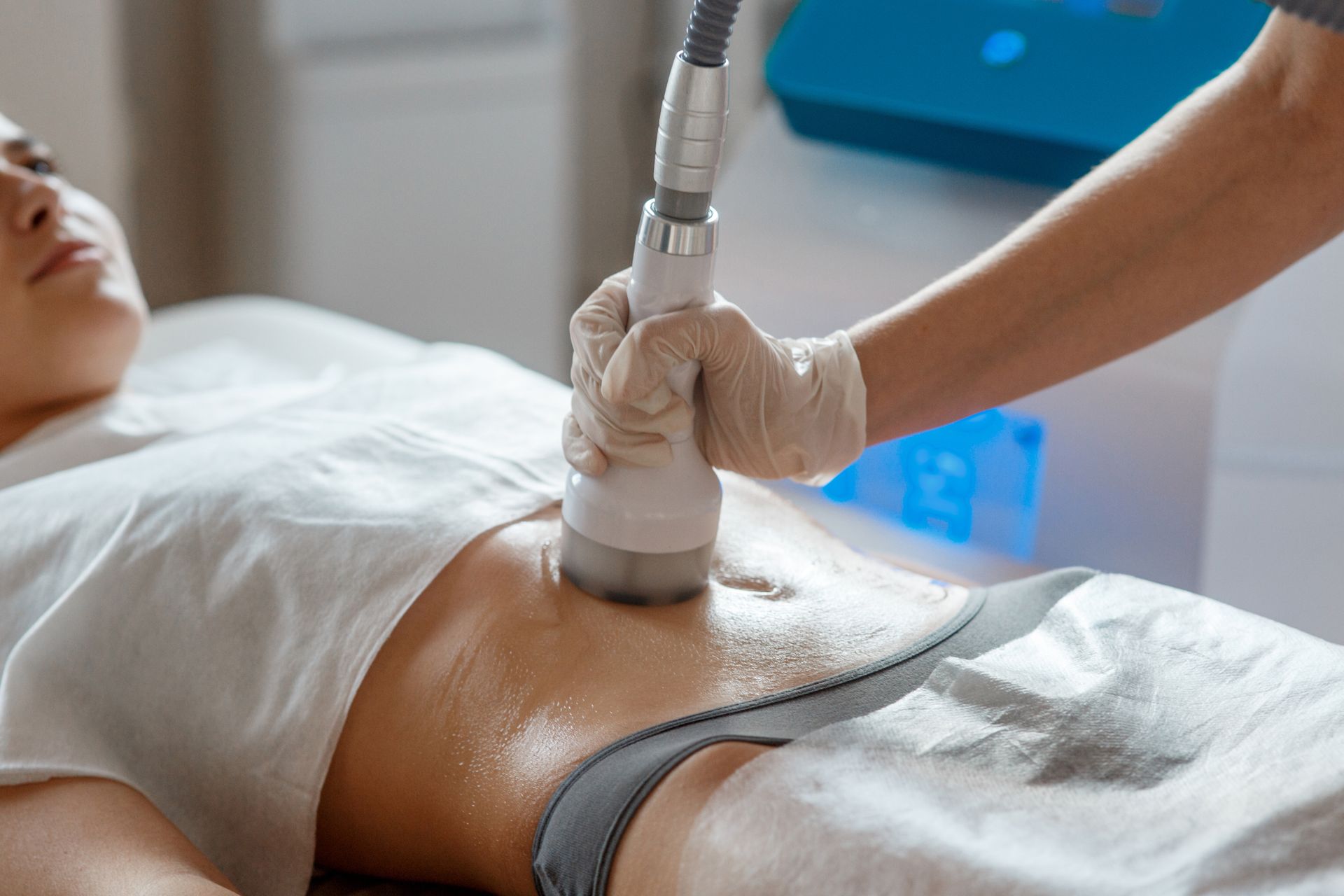
Exilis Ultra 360 simultaneously combines radiofrequency (RF) and ultrasound energy to tighten skin and address body concerns, making it one of the most versatile non-surgical skin-tightening options available for loose skin after weight loss.
The treatment works by delivering controlled heat deep into the skin’s lower layers, stimulating the production of new collagen and elastin, while an integrated cooling system protects the surface and ensures comfort throughout.
The sensation is often compared to a warm hot stone massage. Unlike treatments that target only the face,
Exilis Ultra 360 can be used from head to toe, making it particularly valuable for patients with skin laxity across multiple areas following significant weight loss.
- Best for: Mild to moderate skin laxity across face, neck, arms, abdomen and thighs; also aids fat reduction and body contouring
- Downtime: None; mild redness may appear for a few hours post-treatment
- Results: Progressive over several weeks; a course of sessions is typically recommended for optimal outcome
EMFACE Non-Surgical Skin Lifting
How it works:
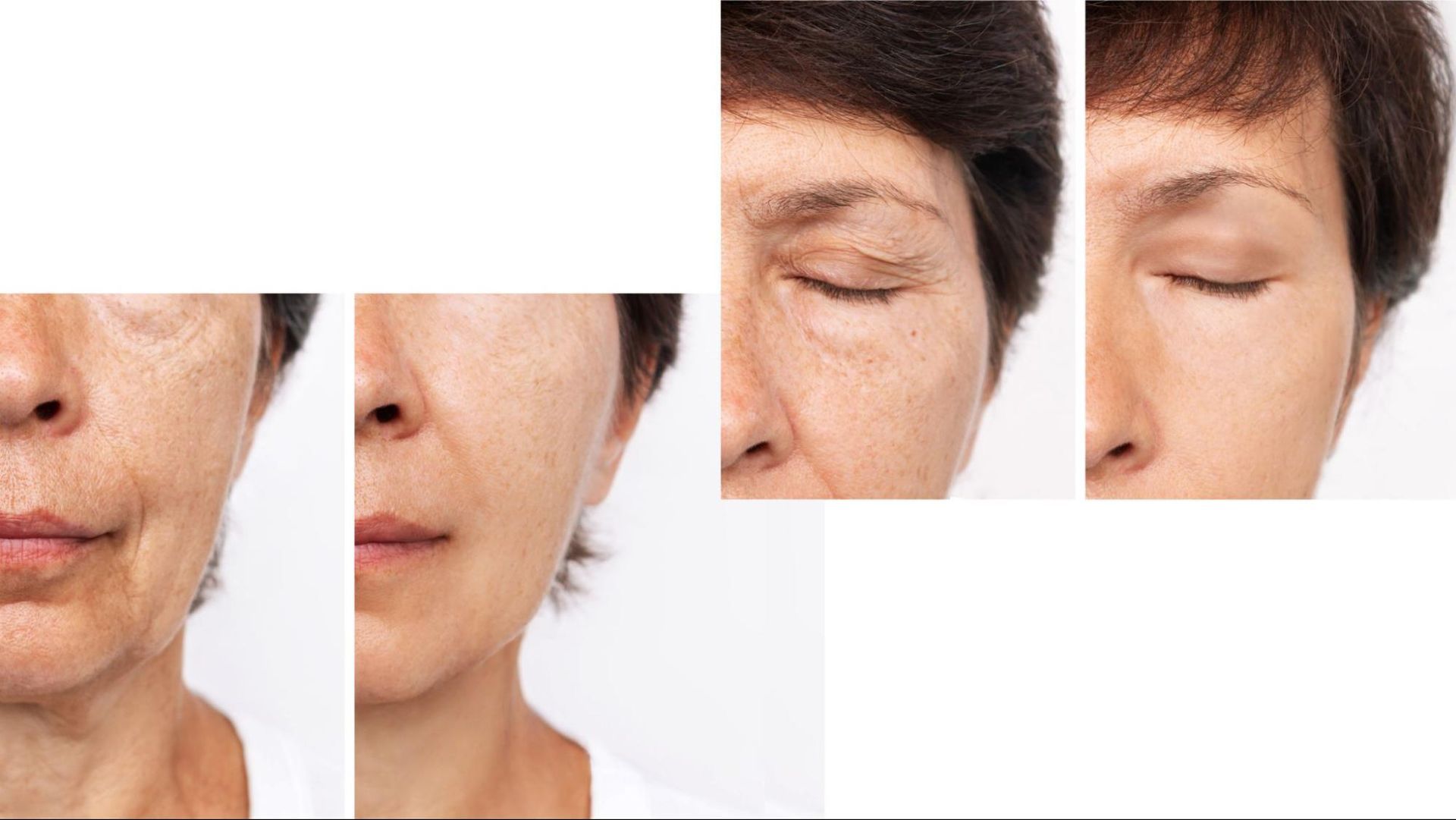
EMFACE is a needle-free, non-invasive treatment that simultaneously targets the skin and underlying facial muscles, making it one of the most comprehensive non-surgical options for facial laxity after weight loss.
It combines radiofrequency (RF) energy with HIFES™ (High-Intensity Facial Electromagnetic Stimulation) to lift, tone, and tighten the face naturally without injections or downtime.
For patients who have experienced facial volume loss or jowl laxity following weight loss or GLP-1 medication use, EMFACE skin tightening offers a highly effective, comfortable option.
- Best for: Facial laxity, jowls, jawline definition, brow lifting, overall facial firmness
- Downtime: None
- Results: Progressive improvement over 6-12 weeks; typically 4 sessions recommended
PRP Therapy for Skin Tightening
How it works:
PRP, often called the "vampire facial", uses your own blood's growth factors, isolated through a simple process, to stimulate collagen, improve skin quality and support tissue regeneration. It works beautifully as a standalone treatment or alongside microneedling.
PRP treatment is often chosen by those looking for a more natural, gradual approach to improving skin firmness and overall texture.
Best for: Skin quality, early laxity, texture, tone and overall rejuvenation
Downtime: Minimal; some redness for 24–48 hours
Results: Develop gradually over 4–8 weeks; a course of 3 sessions is commonly recommended
Skin Boosters
How it works:
Skin booster injections, like a
hydrafacial treatment, typically contain hyaluronic acid and work by deeply hydrating the skin from within and improving its elasticity, suppleness, and overall quality.
While not a primary tightening treatment, they play a valuable supporting role in a comprehensive skin health plan. They're often combined with other treatments for a more complete result.
Best for: Improving skin quality, hydration and early elasticity loss
Downtime: Minimal; small injection-site marks settle within a few days
Results: Visible glow and plumpness from around 2 weeks; recommend a course of 2–3 sessions
Definisse Threads Non-Surgical Thread Lift
How it works:
A premium line of absorbable, medical-grade threads used to physically lift and tighten sagging skin, delivering one of the few non-surgical treatments that actually repositions loose tissue rather than simply stimulating collagen from below.
Made from biocompatible poly(L-lactic acid and caprolactone), a material with decades of safe surgical use, the threads are introduced beneath the skin via fine cannulas. Their unique notched design provides an immediate mechanical lift while simultaneously triggering the body’s natural collagen and elastin production over the following weeks and months.
As the threads gradually absorb, the newly formed collagen scaffolding continues to support and firm the skin long after treatment.
For patients experiencing jowl laxity, sagging cheeks, a softened jawline, or loose skin in the neck and lower face following weight loss or GLP-1 medication use, Definisse
thread lift treatment in Hitchin offers a precise, graduated lift.
- Best for: Jowl laxity, sagging cheeks, jawline definition, neck and lower face lifting; moderate skin laxity where energy-based treatments alone are insufficient
- Downtime: Minimal; some swelling and tenderness for 24 to 48 hours; most patients return to normal activities within a day or two
- Results: Immediate lift visible from treatment; collagen-driven improvement continues over 3–6 months; results typically last 12 to 18 months
Which Areas Are Most Affected by Loose Skin After Weight Loss?
Loose skin after weight loss doesn’t appear in the same place for everyone. The areas most frequently affected include:
Face and jowls. Facial fat loss, particularly common with GLP-1 medications, sometimes called ‘Ozempic face’, can cause the skin around the cheeks, jaw, and neck to appear deflated or hollow. Jowl laxity and a softening of the jawline are common concerns.
Abdomen and tummy. The stomach is the most common area for excess or loose skin, particularly after significant or rapid weight loss. This is often the area people find most distressing, as it is difficult to conceal and can affect clothing choices.
Upper arms. The inner upper arms are prone to sagging skin after weight loss, sometimes called ‘bingo wings.’ This can be particularly pronounced in those who have lost weight rapidly or who have lost significant muscle mass during their journey.
Inner thighs. Skin laxity in the inner thigh area is common, especially after significant weight loss. The skin here tends to be thinner and less elastic than in other areas.
Breasts and chest. Significant breast volume loss can occur alongside weight loss, leading to changes in skin firmness and shape.
Neck and décolletage. Often the first area where collagen loss becomes visible, the neck is prone to crepey skin texture and laxity after weight loss, particularly in those over 40.
Understanding which areas concern you most is an important part of any consultation because treatment approaches can and should be tailored specifically to the area and severity of laxity.
When Should You Consider Professional Treatment?
There's no fixed rule, but you might consider booking a consultation if:
- Your skin laxity has not improved after 12 months of stable weight
- Exercise and nutrition changes aren't making a visible difference
- The loose skin is affecting your confidence, clothing choices, and daily comfort
- You've experienced hormonal changes that seem to have accelerated skin ageing
- You have recently stopped or completed a course of GLP-1 medication and want to address residual laxity
- You want expert guidance on which treatments are genuinely appropriate for your situation
A thorough consultation allows us to assess your skin properly and give you a realistic picture of what's possible, no pressure, no pushy upselling.
Ready to take the next step?
With the right guidance, non-surgical treatments can help improve firmness and restore a smoother, more confident look. You’ve done the hard part; now it’s about refining the results.
Book a consultation to explore a personalised approach that aligns with your skin, your goals, and your pace. With CQC-registered clinics across King’s Lynn (Norfolk), Hitchin (Hertfordshire), as well as London’s prestigious Welbeck Hospital, every treatment is grounded in medical expertise and designed to support natural, confident results.
We'd love to hear your story and help you find the right path forward.
Frequently Asked Questions
Does loose skin go away after weight loss?
No. In younger people with mild laxity, some natural improvement is possible over 1–2 years as the skin gradually adjusts. However, for most people over 40, or those with moderate to significant laxity, including those who have lost weight rapidly via GLP-1 medications, the skin is unlikely to fully tighten on its own.
Non-surgical treatments can achieve meaningful, visible improvement without surgery.
How long does it take for skin to tighten after weight loss?
If improvement is going to happen naturally, you'd typically see it within 1–2 years of reaching a stable weight. For those pursuing professional treatments, results develop gradually over several months, with a course of sessions usually recommended.
Is loose skin after weight loss worse if you're over 40?
Yes, and this is completely normal, not a personal failing. Skin elasticity after weight loss declines with age because collagen production slows from the mid-30s onwards.
For those who lose weight in their 40s, 50s, or beyond, the skin has less natural ability to retract, meaning loose skin after weight loss over 40 is more pronounced and less likely to resolve without professional support.
How do I know if I need surgery for loose skin?
Surgery is typically considered when there is significant excess skin, often following weight loss of 50kg or more, that cannot be addressed by non-surgical means. If we believe surgery would better serve your goals, we will tell you honestly.
What is the best treatment for loose skin after weight loss in the UK?
There isn't a single best treatment; it depends on the severity of laxity, the area affected, your skin type, and your overall health.