
What we are providing
After each treatment we make sure that you are supported with the correct follow up care.
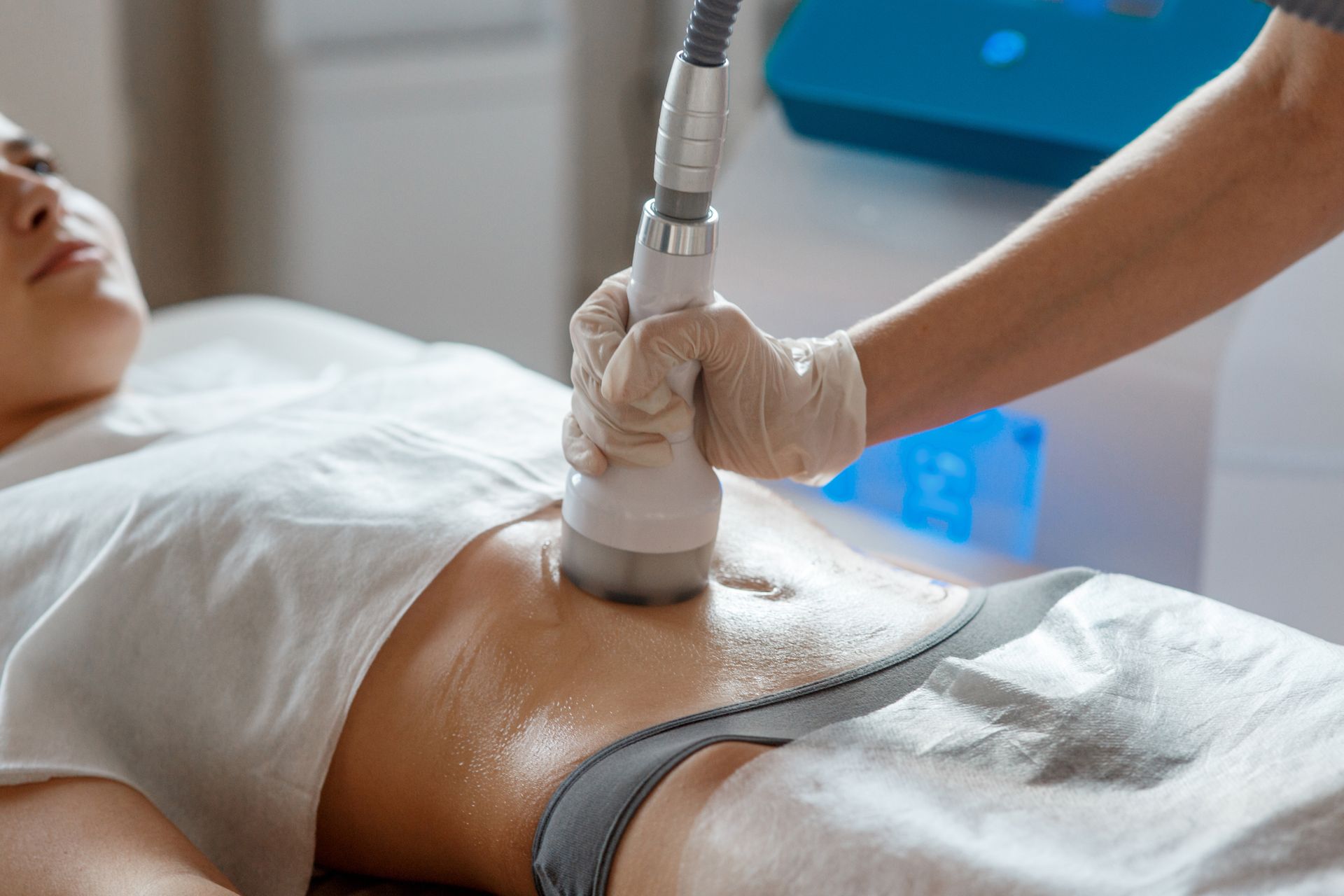
Skin doesn’t lose its firmness overnight. It happens gradually: a softer jawline, skin that doesn’t bounce back the way it used to, or areas that still feel loose despite a healthy lifestyle. While surgery remains an option for some, many people are now looking for treatments that deliver noticeable improvements without incisions or lengthy recovery.

Summer is often when we want our skin to look its freshest. Holidays, weddings, garden parties and more time outdoors can all make us think a little more about hydration, radiance and skin quality. It is also the time of year when many patients ask whether aesthetic treatments are still suitable. If you are considering injectable skin boosters, especially Sunekos before a holiday, you may be wondering whether sunshine, heat or travel plans could affect your results. The reassuring answer is that skin boosters can generally be performed throughout the year, including summer. The key is timing your appointment sensibly, protecting your skin from excessive UV exposure, and following the aftercare advice given by your practitioner. At Sutha Aesthetics, skin booster treatments in Hitchin and Kings Lynn are planned around your skin, your lifestyle and your upcoming commitments, so your treatment feels considered rather than rushed.
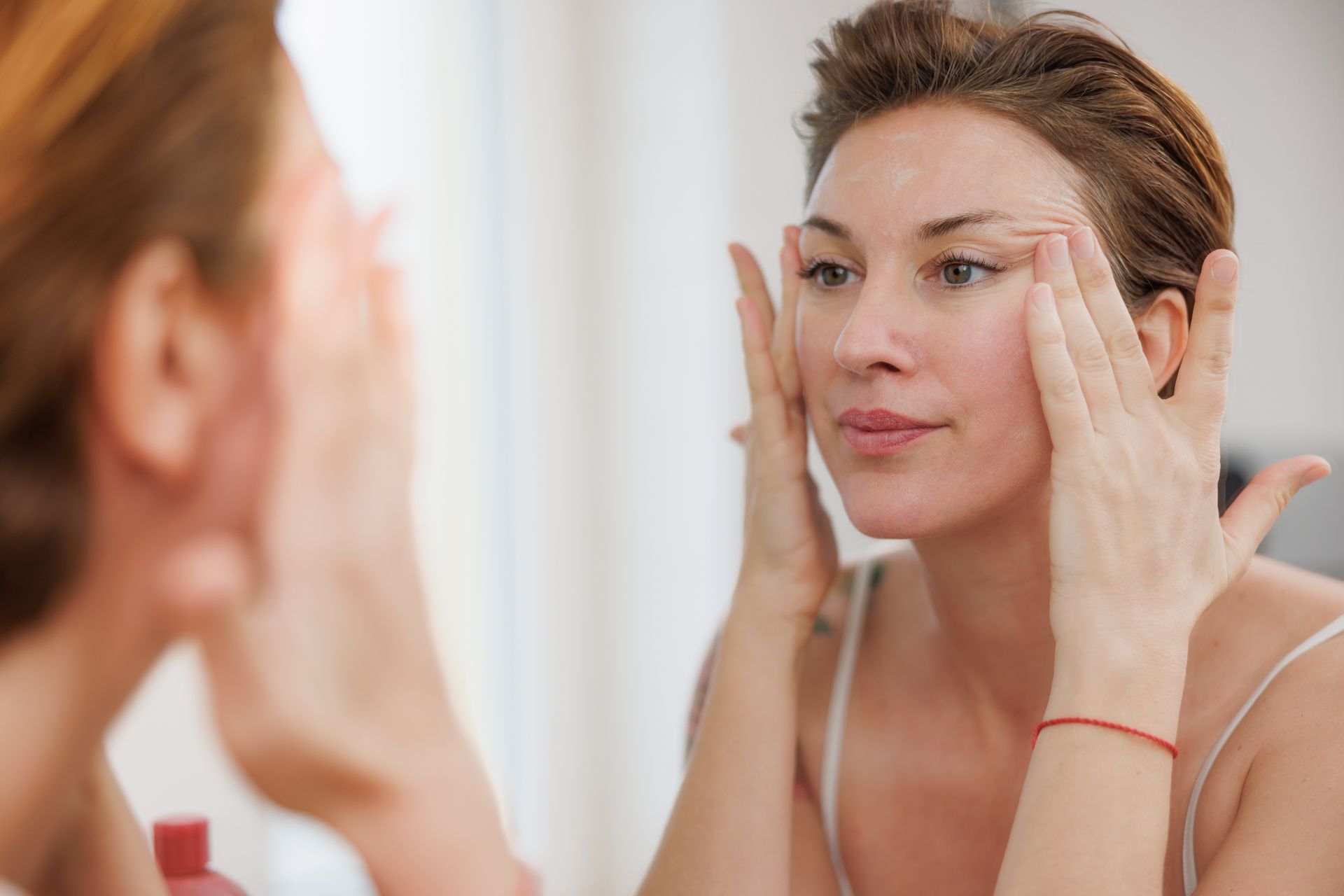
You've done the hard part, losing the weight. Now you're standing in front of the mirror, proud of how far you've come, and yet something feels off. The skin just hasn't caught up. Loose skin after weight loss is one of the most common and least talked-about challenges people face, especially for those who’ve lost weight in their 40s and beyond or who’ve used weight-loss medications like Mounjaro, Ozempic, or Wegovy. These GLP-1 medications are genuinely life-changing for many people, but because they can produce rapid weight loss, they also increase the likelihood of skin laxity that the body hasn’t had time to adapt to. In this guide, we’ll walk you through exactly why loose skin happens, what you can realistically do about it, and which treatment options, from gentle lifestyle changes to advanced non-surgical therapies, might be right for you. Our aim isn’t to oversell a quick fix. It’s to give you honest information so you can make the best decision for your body. What Causes Loose Skin After Weight Loss? These factors explain why loose skin after weight loss varies from person to person and why treatment approaches often need to be tailored. If you’re considering aesthetic treatments Hitchin & Kings Lynn , having this understanding can help guide more informed decisions. Loss of Collagen and Elastin Your skin's firmness relies on two proteins: collagen (which provides structure) and elastin (which allows skin to spring back into shape). When you carry extra weight for an extended period, the skin stretches to accommodate. Over time, these fibres weaken, and the skin loses some of its ability to retract, much like an elastic band that's been stretched too far for too long. Age-Related Collagen Loss From mid-30s onwards, collagen production naturally declines, and by the 40s and 50s, that decline becomes significant. This is why skin elasticity after weight loss is noticeably harder to regain as we age. Hormonal changes, particularly around menopause and perimenopause, also affect skin density and hydration, compounding the issue. How Quickly You Lost the Weight Rapid weight loss, whether through crash dieting, bariatric surgery, or GLP-1 medications such as Mounjaro or Ozempic, gives the skin very little time to adapt. Gradual weight loss of 0.5 to 1kg per week tends to result in less laxity, though this isn’t always possible or practical, especially when medication-assisted weight loss is involved. How Long the Skin Was Stretched The longer your skin has been stretched, whether for months or years, the more the underlying supportive structure may have been affected. This is not your fault; it's simply physics. Genetics and Sun Damage Some people are genetically predisposed to more resilient skin, while others aren't. Years of sun exposure also break down collagen over time, making it harder for skin to recover. Again, none of this is within your control. How to Avoid Loose Skin After Weight Loss Strength-train regularly: Building muscle beneath the skin helps fill it out and improve overall tone. Prioritise protein: Adequate protein intake (ideally 1.2–1.6g per kg of body weight) supports collagen synthesis and skin repair. Stay well hydrated: Hydrated skin is more elastic and resilient. Aim for 6 to8 glasses of water daily. Support collagen with nutrition: Vitamin C, zinc, and antioxidant-rich foods all help support skin structure. Some people also benefit from collagen supplements, though evidence is still emerging. Protect from sun damage: Daily SPF use slows the breakdown of collagen and elastin. Professional Treatment Options for Loose Skin After Weight Loss When natural methods aren't enough or when you want to accelerate results, professional treatments can make a significant difference. Here's an overview of the options: Exilis Ultra 360 Skin Tightening How it works: Exilis Ultra 360 simultaneously combines radiofrequency (RF) and ultrasound energy to tighten skin and address body concerns, making it one of the most versatile non-surgical skin-tightening options available for loose skin after weight loss. The treatment works by delivering controlled heat deep into the skin’s lower layers, stimulating the production of new collagen and elastin, while an integrated cooling system protects the surface and ensures comfort throughout. The sensation is often compared to a warm hot stone massage. Unlike treatments that target only the face, Exilis Ultra 360 can be used from head to toe, making it particularly valuable for patients with skin laxity across multiple areas following significant weight loss. Best for: Mild to moderate skin laxity across face, neck, arms, abdomen and thighs; also aids fat reduction and body contouring Downtime: None; mild redness may appear for a few hours post-treatment Results: Progressive over several weeks; a course of sessions is typically recommended for optimal outcome EMFACE Non-Surgical Skin Lifting How it works: EMFACE is a needle-free, non-invasive treatment that simultaneously targets the skin and underlying facial muscles, making it one of the most comprehensive non-surgical options for facial laxity after weight loss. It combines radiofrequency (RF) energy with HIFES™ (High-Intensity Facial Electromagnetic Stimulation) to lift, tone, and tighten the face naturally without injections or downtime. For patients who have experienced facial volume loss or jowl laxity following weight loss or GLP-1 medication use, EMFACE skin tightening offers a highly effective, comfortable option. Best for: Facial laxity, jowls, jawline definition, brow lifting, overall facial firmness Downtime: None Results: Progressive improvement over 6-12 weeks; typically 4 sessions recommended
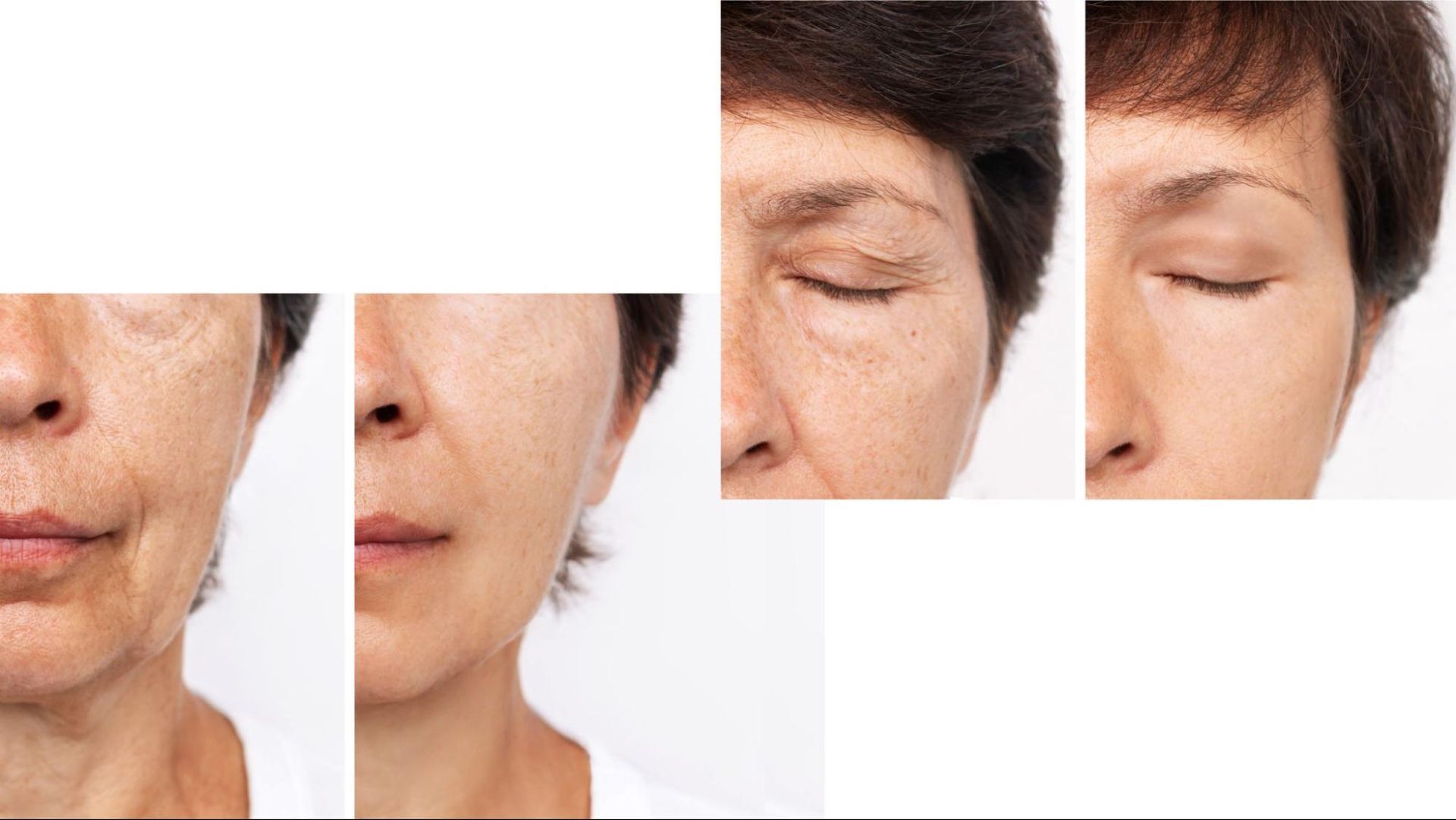
Weight-loss injections like semaglutide, tirzepatide, Mounjaro, and the growing family of GLP-1 medications have genuinely changed lives. If you're on one, the results are likely speaking for themselves: your clothes fit differently, your energy has shifted, and you feel more like yourself again. But here's something that doesn't get talked about nearly enough: what these weight loss injections facial ageing are doing to your face at the same time. This isn't a scare story. It's information you deserve to have because once you understand what's happening beneath the skin, the solution becomes obvious. And the good news is that it's entirely fixable. What Your Weight Loss Injections Are Actually Doing to Your Face GLP-1 medications work by significantly reducing appetite and accelerating fat loss across the whole body. Clinical trials show average weight reductions of 15–17%, which is substantial, and your face feels every percentage point of it. Your face is held in shape by a network of fat compartments: small, distinct pockets of fat sitting in your cheeks, temples, under your eyes, and along your jawline. These fat pads are what give your face its three-dimensional structure, its softness, and the youthful fullness that most of us take for granted until it's gone. When you lose weight rapidly, as most people do on GLP-1 medications, these facial fat compartments deflate. All of them, often at once. This is where facial volume loss after weight loss becomes most visible. The result is a face that can look hollowed, gaunt, or significantly older than it did before the weight loss began, commonly referred to as the Ozempic face. The result is a face that can look hollowed, gaunt, or significantly older than it did before the weight loss began. The cheeks sink. The temples hollow. Shadows appear under the eyes. The jawline loses its definition. And it is far more common than the clinics that prescribe these medications tend to warn patients about up front. What GLP-1 Medications Really Do to Your Skin, Muscles and Collagen The conversation around GLP-1 facial ageing goes far beyond simple fat loss. Research shows that between 20% and 40% of the weight lost with GLP-1 medications can come from lean muscle mass rather than fat. The muscle provides the underlying structural scaffolding that keeps skin lifted and contours defined in the face. Lose that scaffolding, and the skin has nothing to hold it up. There's also a nutritional element. These medications work by suppressing appetite, which means many are eating significantly less overall, and not always getting adequate levels of protein, vitamin C, and zinc. These are the exact nutrients your skin needs to produce collagen and elastin. Without them, skin quality declines faster than it otherwise would, compounding the visual effects of volume loss. The result, for many GLP-1 patients, is a face that has aged noticeably, not because of anything they've done wrong, but as a direct and predictable consequence of how these medications work. Who Is Most at Risk of Facial Volume Loss on Weight Loss Injections Not everyone experiences GLP-1 facial changes to the same degree. A few factors make a meaningful difference. Age plays the biggest role. If you're 40 or above, your skin already has less collagen and less elasticity than it did a decade ago. Rapid volume loss on top of that existing baseline is felt much more acutely; the skin simply doesn't have the resilience to adapt and redrape the way younger skin can. The amount and speed of your weight loss matters too. The more you lose, and the faster you lose it, the more pronounced the facial impact tends to be. Patients who lose more than 15% of their body weight are at the highest risk for visible facial hollowing. Lifestyle factors add up. Years of sun exposure reduce skin elasticity. Smoking accelerates collagen breakdown. If either of those applies, the effects of GLP-1 facial ageing can be more pronounced and more visible.
How do we work
Here at Sutha Aesthetics we put patient care and safety first. By having a consultation with our medical practitioner prior to any treatments. We can ensure what treatment is best for you by taking in medical and lifestyle factors into consideration.
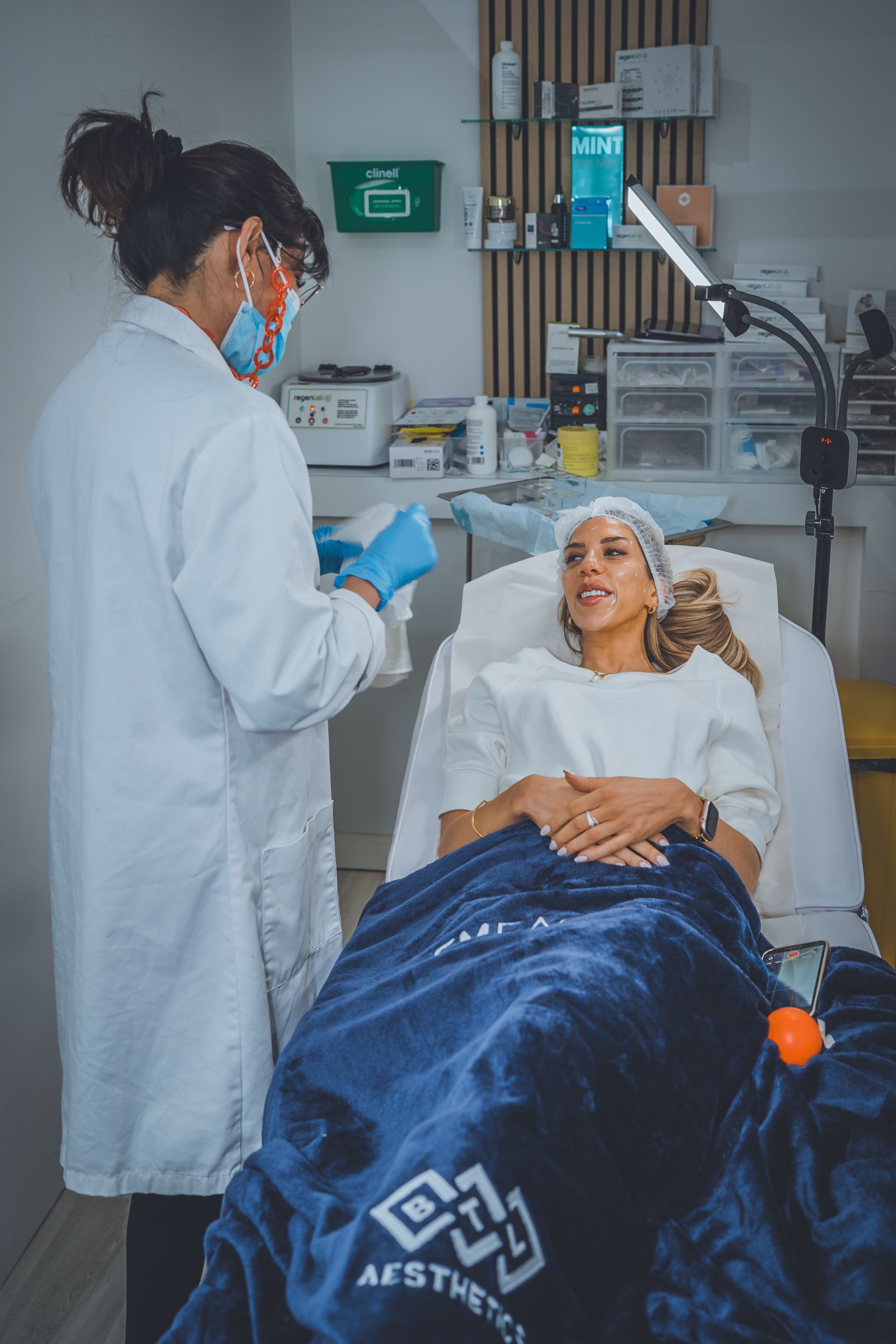
How to start your Journey.
01
Book a consultation
02
Choose your treatment
03
Choose one of or locations
04
Come in and enjoy your skin rejuvenation journey!
What People Say About Us