by Sutha Aesthetics
•
6 May 2026
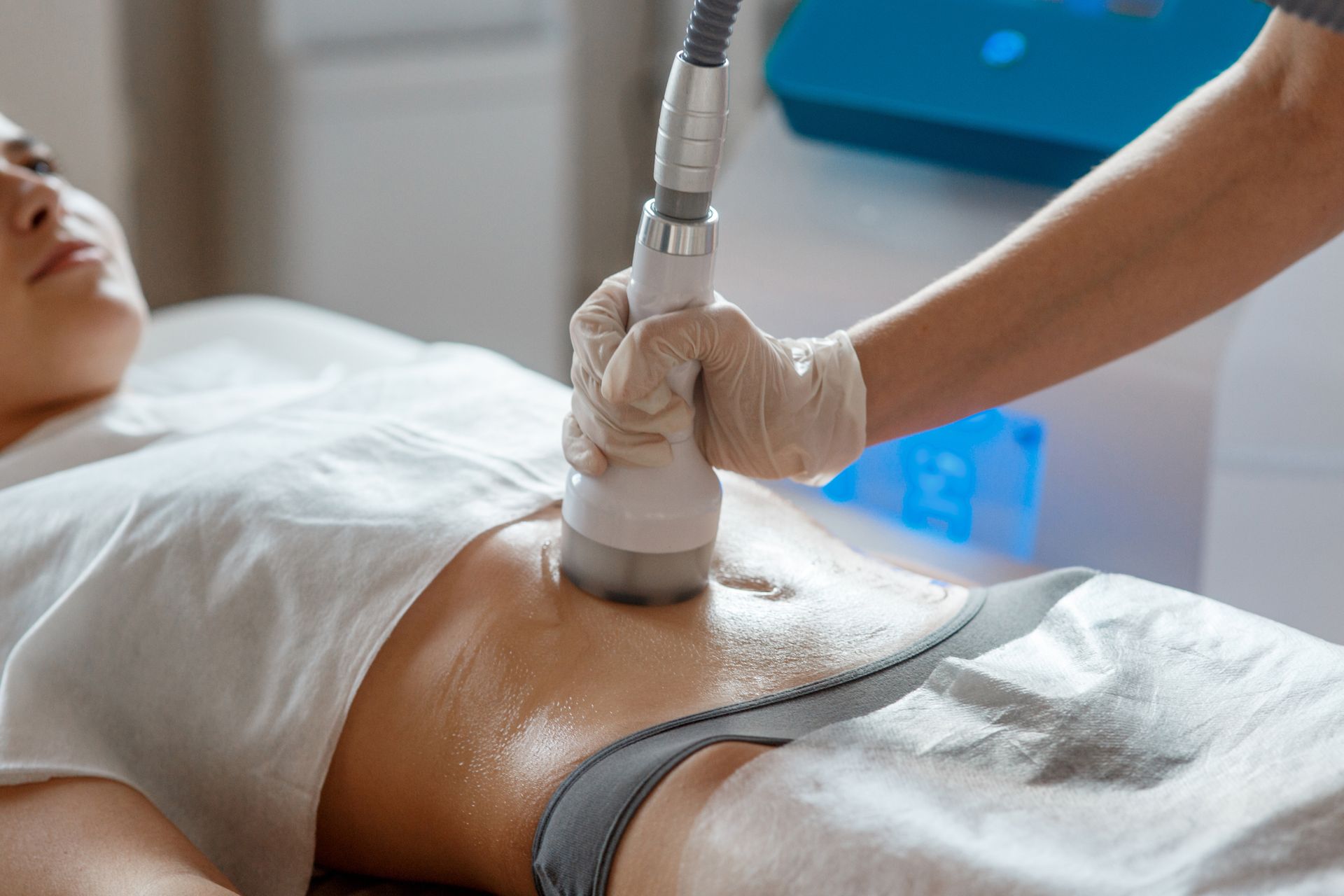
You've done the hard part, losing the weight. Now you're standing in front of the mirror, proud of how far you've come, and yet something feels off. The skin just hasn't caught up. Loose skin after weight loss is one of the most common and least talked-about challenges people face, especially for those who’ve lost weight in their 40s and beyond or who’ve used weight-loss medications like Mounjaro, Ozempic, or Wegovy. These GLP-1 medications are genuinely life-changing for many people, but because they can produce rapid weight loss, they also increase the likelihood of skin laxity that the body hasn’t had time to adapt to. In this guide, we’ll walk you through exactly why loose skin happens, what you can realistically do about it, and which treatment options, from gentle lifestyle changes to advanced non-surgical therapies, might be right for you. Our aim isn’t to oversell a quick fix. It’s to give you honest information so you can make the best decision for your body. What Causes Loose Skin After Weight Loss? These factors explain why loose skin after weight loss varies from person to person and why treatment approaches often need to be tailored. If you’re considering aesthetic treatments Hitchin & Kings Lynn , having this understanding can help guide more informed decisions. Loss of Collagen and Elastin Your skin's firmness relies on two proteins: collagen (which provides structure) and elastin (which allows skin to spring back into shape). When you carry extra weight for an extended period, the skin stretches to accommodate. Over time, these fibres weaken, and the skin loses some of its ability to retract, much like an elastic band that's been stretched too far for too long. Age-Related Collagen Loss From mid-30s onwards, collagen production naturally declines, and by the 40s and 50s, that decline becomes significant. This is why skin elasticity after weight loss is noticeably harder to regain as we age. Hormonal changes, particularly around menopause and perimenopause, also affect skin density and hydration, compounding the issue. How Quickly You Lost the Weight Rapid weight loss, whether through crash dieting, bariatric surgery, or GLP-1 medications such as Mounjaro or Ozempic, gives the skin very little time to adapt. Gradual weight loss of 0.5 to 1kg per week tends to result in less laxity, though this isn’t always possible or practical, especially when medication-assisted weight loss is involved. How Long the Skin Was Stretched The longer your skin has been stretched, whether for months or years, the more the underlying supportive structure may have been affected. This is not your fault; it's simply physics. Genetics and Sun Damage Some people are genetically predisposed to more resilient skin, while others aren't. Years of sun exposure also break down collagen over time, making it harder for skin to recover. Again, none of this is within your control. How to Avoid Loose Skin After Weight Loss Strength-train regularly: Building muscle beneath the skin helps fill it out and improve overall tone. Prioritise protein: Adequate protein intake (ideally 1.2–1.6g per kg of body weight) supports collagen synthesis and skin repair. Stay well hydrated: Hydrated skin is more elastic and resilient. Aim for 6 to8 glasses of water daily. Support collagen with nutrition: Vitamin C, zinc, and antioxidant-rich foods all help support skin structure. Some people also benefit from collagen supplements, though evidence is still emerging. Protect from sun damage: Daily SPF use slows the breakdown of collagen and elastin. Professional Treatment Options for Loose Skin After Weight Loss When natural methods aren't enough or when you want to accelerate results, professional treatments can make a significant difference. Here's an overview of the options: Exilis Ultra 360 Skin Tightening How it works: Exilis Ultra 360 simultaneously combines radiofrequency (RF) and ultrasound energy to tighten skin and address body concerns, making it one of the most versatile non-surgical skin-tightening options available for loose skin after weight loss. The treatment works by delivering controlled heat deep into the skin’s lower layers, stimulating the production of new collagen and elastin, while an integrated cooling system protects the surface and ensures comfort throughout. The sensation is often compared to a warm hot stone massage. Unlike treatments that target only the face, Exilis Ultra 360 can be used from head to toe, making it particularly valuable for patients with skin laxity across multiple areas following significant weight loss. Best for: Mild to moderate skin laxity across face, neck, arms, abdomen and thighs; also aids fat reduction and body contouring Downtime: None; mild redness may appear for a few hours post-treatment Results: Progressive over several weeks; a course of sessions is typically recommended for optimal outcome EMFACE Non-Surgical Skin Lifting How it works: EMFACE is a needle-free, non-invasive treatment that simultaneously targets the skin and underlying facial muscles, making it one of the most comprehensive non-surgical options for facial laxity after weight loss. It combines radiofrequency (RF) energy with HIFES™ (High-Intensity Facial Electromagnetic Stimulation) to lift, tone, and tighten the face naturally without injections or downtime. For patients who have experienced facial volume loss or jowl laxity following weight loss or GLP-1 medication use, EMFACE skin tightening offers a highly effective, comfortable option. Best for: Facial laxity, jowls, jawline definition, brow lifting, overall facial firmness Downtime: None Results: Progressive improvement over 6-12 weeks; typically 4 sessions recommended