Vaginal Tightening And The Benefits Of This Treatment
Vaginal rejuvenation is designed to improve tone, restore comfort, and enhance confidence without surgery. For many women, the main benefit isn’t cosmetic at all. It’s about feeling more in control of their body again.
Changes in vaginal laxity can happen after childbirth, during menopause, or simply with age. You might notice reduced sensation, mild bladder leaks, or a general feeling that things don’t feel quite the same.
Non-surgical vaginal rejuvenation treatments aim to support collagen production and strengthen internal tissue, which may help restore firmness and function over time.
It’s a medical treatment rooted in regenerative science, not a trend. And when performed in a clinical setting, it can offer meaningful improvements without the downtime of surgery.
It’s not always easy to talk about intimate health. Even in 2026, it can still feel awkward. But women are asking informed questions. They want to know what’s safe, what actually works, and what isn’t just marketing.
So let’s break it down properly.
What Is Vaginal Rejuvenation and What Are the Indications?
Vaginal tightening treatment refers to non-surgical treatments designed to improve vaginal laxity. Laxity can happen for several reasons.
Childbirth is the most common. Ageing and hormonal changes, particularly during perimenopause and menopause, also play a role. Even genetics may influence tissue elasticity.
You might notice:
• A reduced sensation during intimacy
• Mild urinary leakage when coughing or exercising
• A feeling of looseness or reduced support
• General dryness or discomfort
It’s important to say this clearly: experiencing these changes is normal. It doesn’t mean something is “wrong.” However, if it affects your quality of life, treatment may be worth considering.
Most modern vaginal rejuvenation procedures in London use radiofrequency or laser-based technology.
These are minimally invasive, non-surgical
intimate health treatment options that aim to stimulate natural tissue regeneration.
What Are the Benefits of Vaginal Tightening?
The main benefits of vaginal rejuvenation treatment are improved tone, enhanced sensation, better bladder support and increased comfort. For many women, it’s less about aesthetics and more about restoring function and confidence.
Results do vary from person to person. Still, most women explore vaginal rejuvenation treatment for practical reasons. They want to feel stronger internally. More like themselves again.
Here’s what that can look like in real terms:
Will vaginal rejuvenation improve vaginal tone?
Yes, possibly. The controlled energy delivered during treatment stimulates collagen and elastin production. Over several weeks, this may lead to firmer, more resilient tissue. The change is typically gradual rather than dramatic, which many actually prefer.
Can it enhance sensation during intimacy?
Some women report increased sensitivity and improved sexual satisfaction after treatment. By improving tissue support and hydration, sensation may feel more natural and responsive.
Does it help with mild bladder leaks?
For those experiencing mild stress urinary incontinence, such as leaking when coughing, sneezing, or exercising, vaginal rejuvenation treatments may strengthen the surrounding tissue. While it isn’t a cure for severe incontinence, it can provide noticeable improvement in mild cases.
Will it improve dryness?
Hormonal shifts, especially during perimenopause and menopause, can cause dryness. By encouraging tissue regeneration, treatment may help improve natural lubrication and reduce discomfort.
Is there downtime compared to surgery?
Unlike surgical options, non-surgical vaginal rejuvenation generally requires little to no recovery time. Most women return to work or normal daily activities the same day.
Will it make me feel more confident?
Perhaps the most understated benefit. When intimate concerns are addressed, women often describe feeling more confident and comfortable in their own skin. It’s not always about appearance. It’s about ease, reassurance, and feeling like yourself again.
Results aren’t instant, and maintenance sessions may be recommended depending on age and lifestyle. Still, for many women in London seeking a non-invasive solution, the benefits can feel both practical and empowering.
What Are the Benefits of Vaginal Rejuvenation After Childbirth?
Childbirth stretches vaginal tissue, and even with normal healing some women notice reduced tone, decreased sensation, mild bladder leaks, or a feeling of looseness.
These changes are common, but they don’t have to be permanent.
Vaginal rejuvenation after childbirth may help:
• Rebuild collagen
• Improve internal tone
• Reduce mild stress incontinence
• Enhance sensation
• Strengthen overall tissue support
Treatment should only be considered once postnatal healing is complete and medical clearance has been given.
What Are the Benefits of Vaginal Rejuvenation During Menopause?
During menopause, declining oestrogen levels can lead to dryness, thinning tissue, irritation, and reduced elasticity. These symptoms can affect comfort and intimacy.
Vaginal rejuvenation during menopause may help:
• Improve natural lubrication
• Increase tissue thickness
• Enhance elasticity
• Reduce irritation and discomfort
For women who prefer not to use hormone therapy, it can offer a non-surgical way to support tissue health. Improvements are gradual, but many women experience noticeable relief from dryness and discomfort.
How Does Vaginal Tightening Work?
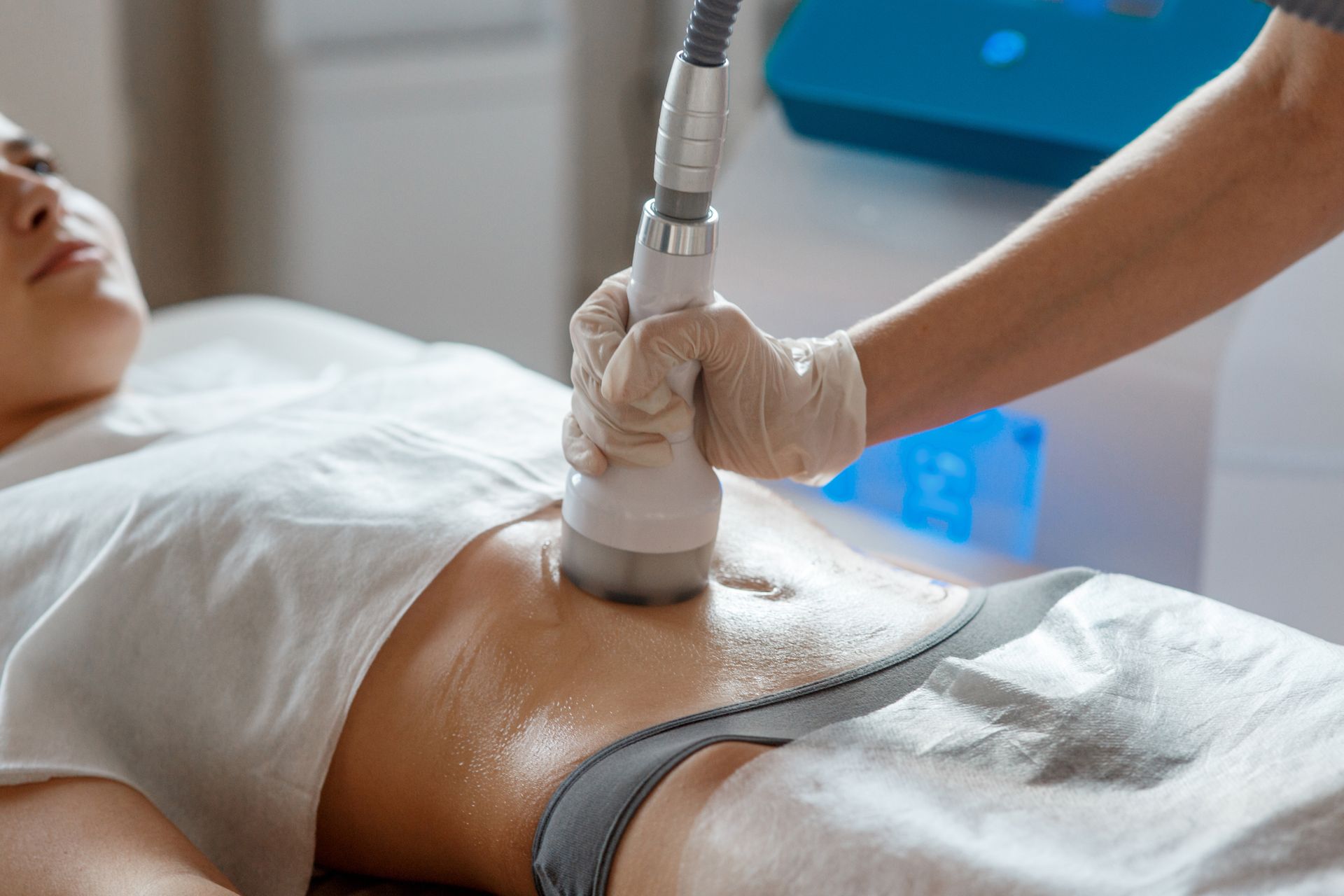
Non-surgical vaginal tightening typically works by delivering controlled energy into the vaginal tissues. This energy gently heats the deeper layers of tissue.
That controlled heat may stimulate collagen production. Collagen is the structural protein that keeps tissue firm and elastic.
As ageing occurs, collagen levels decline. The treatment essentially encourages the body to repair and rebuild from within.
Over time, patients may notice:
• Improved tone and firmness
• Increased natural lubrication
• Enhanced sensation
• Better bladder control
Results don’t appear overnight. Collagen takes time to remodel. Some women report gradual improvements over several weeks. Others may need a short course of treatments to achieve optimal results.
And while it’s often described as “tightening,” what’s really happening is tissue rejuvenation.
Who Is It Suitable For?
This treatment might be suitable for women who:
• Have experienced vaginal laxity after childbirth
• Notice changes linked to ageing or menopause
• Experience mild stress urinary incontinence
• Feel a reduction in sexual sensation
• Prefer to avoid surgical procedures
That said, it isn’t for everyone. Women who are pregnant, have active infections, or certain medical conditions may not be suitable candidates. A thorough consultation is essential.
There’s no one-size-fits-all approach here.
It’s also worth mentioning that expectations should be realistic. Non-surgical treatments can deliver noticeable improvements, but they won’t replicate surgical reconstruction.
For many women, though, subtle improvement is exactly what they’re looking for.
Why Choose Sutha Aesthetic?
At Sutha Aesthetic Medical Regenerative Clinic, intimate health is approached with discretion and medical integrity. That matters.
Patients are assessed individually. Medical history is reviewed. Concerns are discussed openly, without judgment. The focus remains on safety, realistic outcomes, and long-term tissue health rather than quick fixes.
Treatments are available for women in:
• Hitchin
• King’s Lynn
Women in these areas can access medically led intimate health treatments closer to home, without travelling to larger cities.
Clinical training and anatomical understanding matter, particularly when treating delicate tissue influenced by hormones and life events such as childbirth and menopause.
To Sum Up
Vaginal rejuvenation treatment can be a practical, non-surgical way to improve tone, comfort and confidence. For many women, it’s less about aesthetics and more about feeling like themselves again.
If you’ve been searching for “non-surgical intimate wellness near me”, the next step is simple. Book a consultation at Sutha Aesthetic Medical Regenerative Clinic to receive personalised advice in a discreet, medically led setting.
Your comfort, confidence, and long-term intimate health deserve thoughtful care.